


Making intangible cultural heritage accessible: Perspectives from Belgium
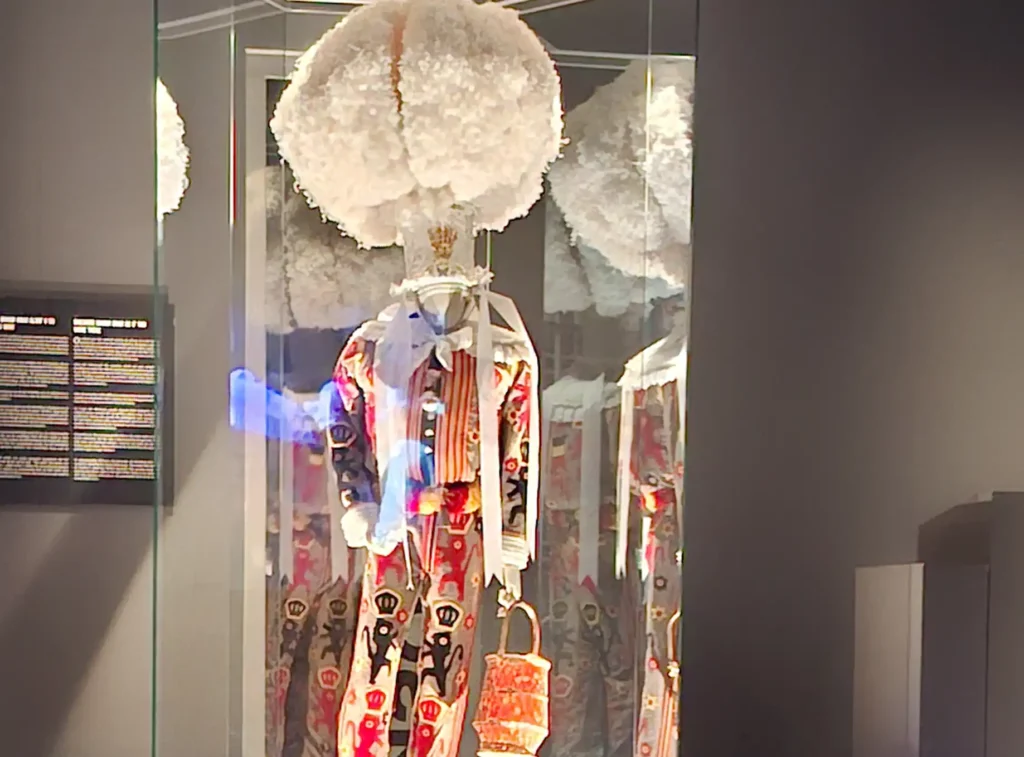
How can intangible cultural heritage be made accessible and transformed into cultural and creative tourism experiences? A study visit to Wallonia, Belgium, explores the role of local traditions highlighting community involvement, craft skills and new approaches to bringing living heritage into tourism.
What Fourteen Papers in Leeds Taught Us About Making Places

How fourteen papers presented in Leeds reveal the growing role of cultural and creative tourism in shaping communities, strengthening local identities and improving quality of life.
Newsletter #2

Museums that connect us: cultural bridges along the Hungarian -Slovenian border

Museums are not merely exhibition venues, but community spaces, meeting points and cultural hubs capable of connecting people, cities and countries.
The origins of creative tourism

Creative tourism invites travellers to actively engage with the places they visit — co-creating experiences, developing new skills, and connecting with local communities — moving well beyond the passive nature of traditional cultural tourism.
Mura Region Gallop – Where Tradition and Tourism Ride Hand in Hand
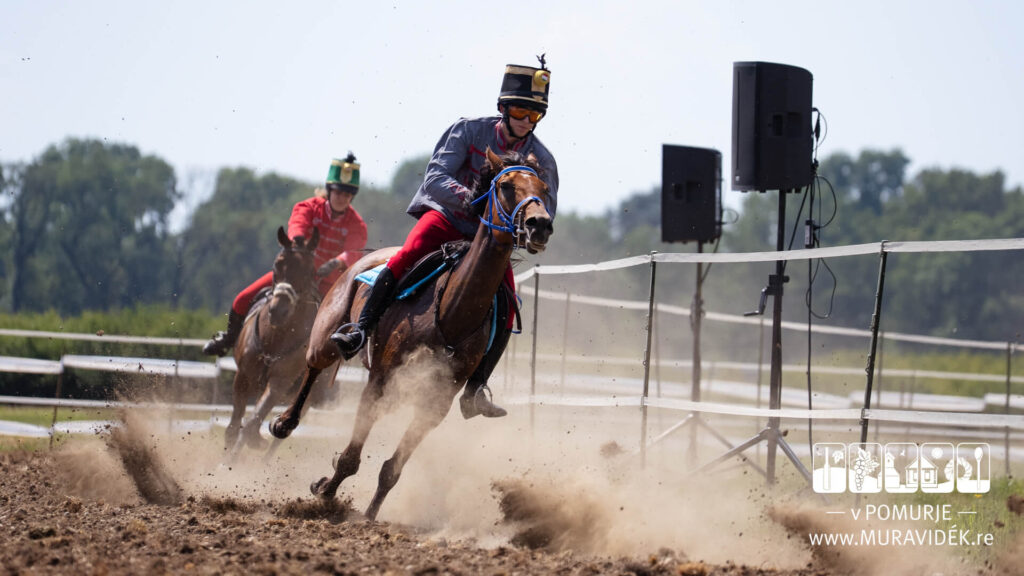
The Mura Region Gallop is not just a competition, but a celebration where tradition, equestrian culture, and tourism form a special blend. As one of the regional heats for the National Gallop, it is the most important equestrian event in the Slovenian–Hungarian border region, serving as both a competition and a community and tourism-building event that connects Hungary and Slovenia while preserving equestrian traditions.
From the centre to the periphery: why intangible cultural heritage matters for rural tourism

A newly published article highlights how intangible cultural heritage is reshaping tourism in rural areas, shifting attention from monuments to living traditions such as gastronomy, rituals, and local knowledge. It shows how these place-based practices can create meaningful and sustainable tourism experiences while raising important questions about community involvement, governance, and the risk of commodification.
Cross-border folk dance culture

The ATLAS 2025 track on Cultural and Creative Tourism explored how creativity can foster sustainability and inclusion. The CROCUS project highlighted new models and practices to valorize intangible heritage and support local development.
Cultural and Creative Tourism in Rural and Remote Areas: Insights from Europe

Cultural and creative tourism is helping rural Europe turn heritage, crafts and gastronomy into jobs, innovation and community pride beyond big cities.
Tourism Connection Opportunities between the Lendava Bograč Festival and the Nagykanizsa Dödölle Festival in Strengthening Cross-Border Cooperation

The study explored how the Lendava Bograč and Nagykanizsa Dödölle festivals can strengthen cross-border cooperation through shared gastronomic heritage and cultural tourism.