



UNIVERZA V MARIBORU
Slovenia
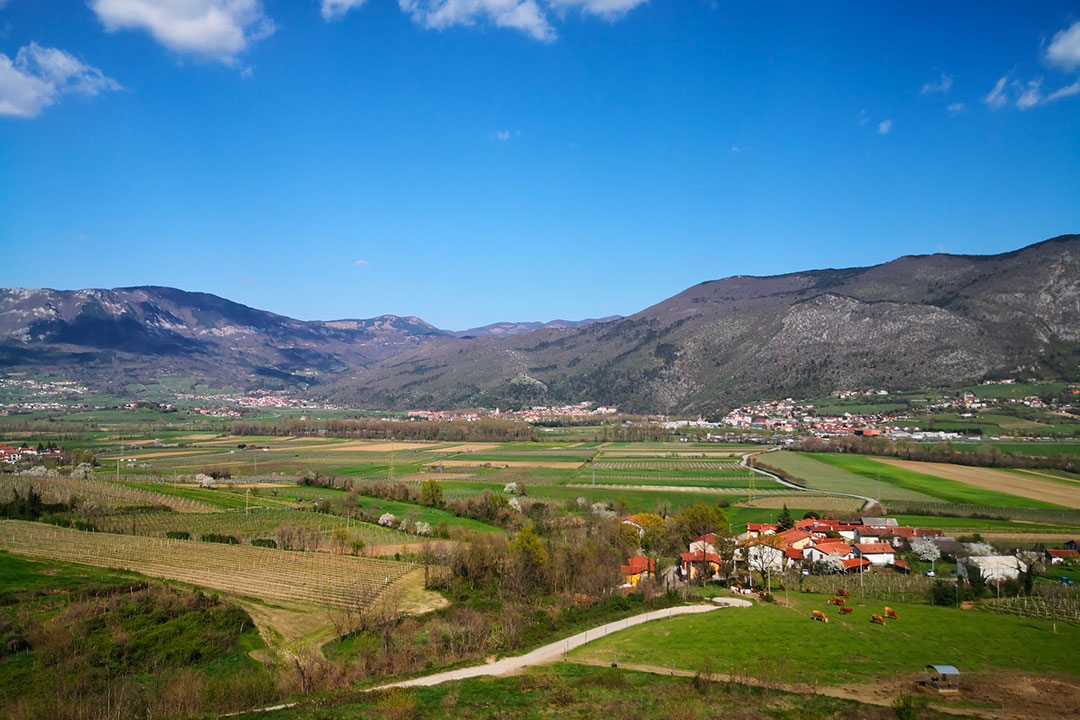
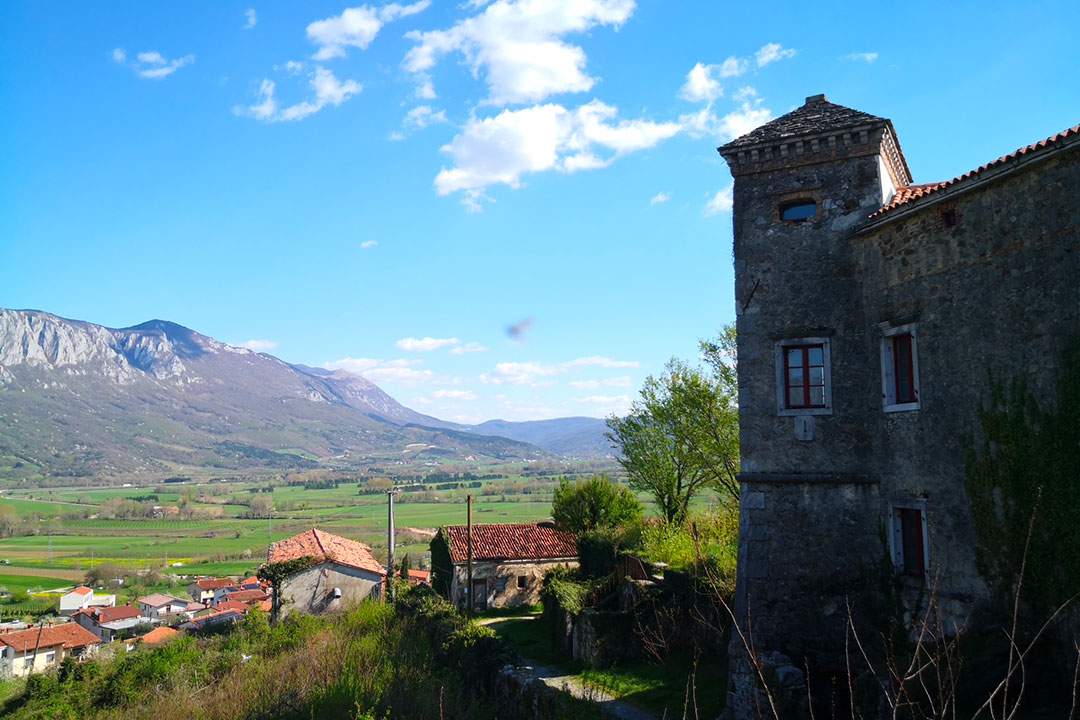
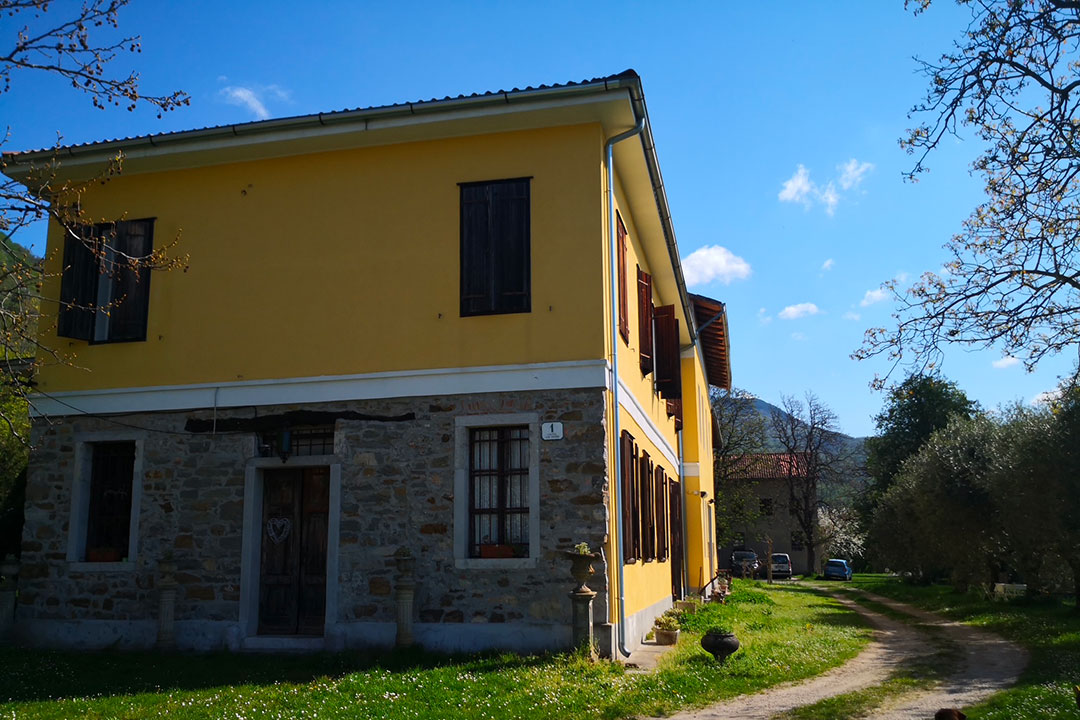
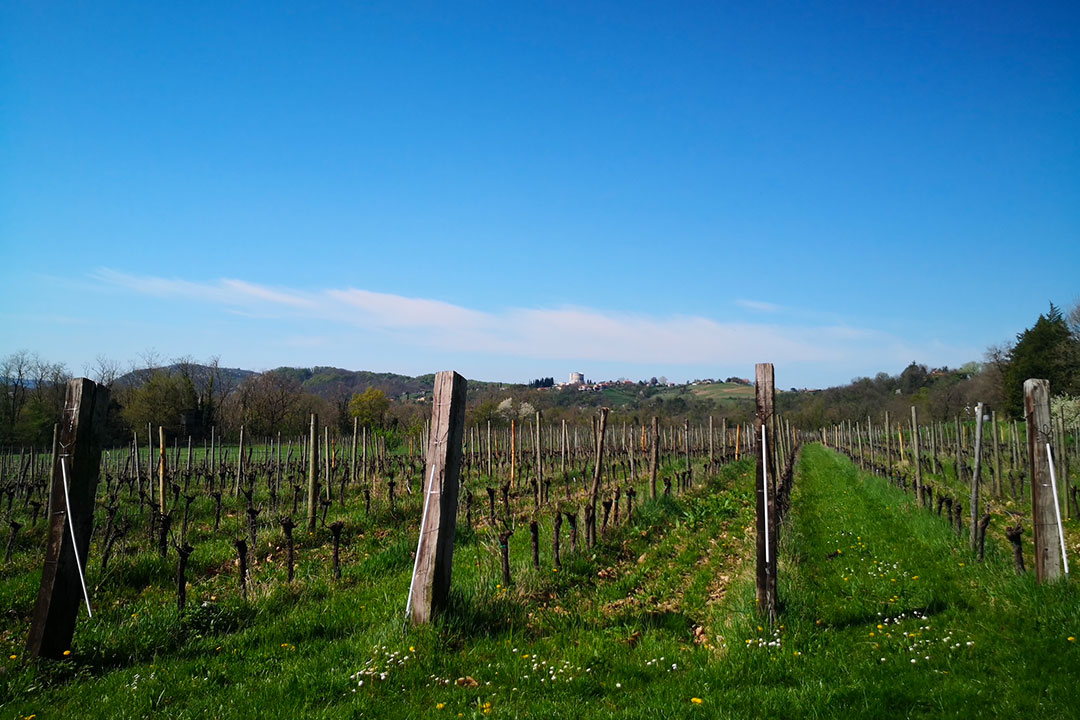
The cross-border Living Lab area between Slovenia and Italy comprises two areas: the southern part of the Goriška region in Slovenia and the Province of Gorizia in Italy. As their names suggest, these were historically one unit, but in the mid-20th century, they were separated by a border.
The Goriška region is located in western Slovenia, and the Living Lab area represents its southern part, comprising six municipalities: Nova Gorica, Ajdovščina, Šempeter-Vrtojba, Vipava, Miren-Kostanjevaica and Renče-Vogrsko. We are naming the Slovenian Living Lab area Southern Goriška for better precision. The area is well-connected by car, though train connectivity remains limited. The closest airports include Trieste, just 34 km from the border, and Ljubljana, Treviso, and Venice, all within 150 km.
The region hosts little over 73,000 residents, with Nova Gorica being home to more than 32,000 residents. The municipality of Ajdovščina hosts almost 20,000 residents, while the other four municipalities are severely smaller, providing home to no more than 6,000 residents each. The smallest municipality is Renče-Vogrsko, with 4,384 residents. The region has a smaller accommodation capacity, with over 4,000 beds available. The Living Lab area recorded over 260,000 overnight stays, primarily concentrated in Nova Gorica, Vipava, and Ajdovščina. Visitors in this Slovenian region typically stay shorter, with an average stay of 2.1 days, suggesting it might appeal more to short-term travellers or those on weekend getaways.
The South Goriška area also boasts a significant cultural heritage, with 13 castles and manor houses distributed across the area. Vipava leads with five heritage estates, followed by Nova Gorica and Ajdovščina, each with three, while Šempeter-Vrtojba and Renče-Vogrsko each host one site. These castles and estates have different functions. For example, Kromberk Castle serves as the central exhibition space of the Regional Museum, while Lanthieri Mansion in Vipava houses the higher education institutions of the University of Nova Gorica. Other heritage estates were repurposed for modern uses, such as two for restaurants, one as a hospital archive, one as a primary school, and one as a municipality administration building. Three of 13 castles and manor houses require revitalisation, and one remains a complete ruin. In eight of 13 heritage estates, local events and guided visits are offered throughout the year, enhancing the cultural and tourism experience in the area.
The Province of Gorizia represents the Italian area of the cross-border Living Lab. The province consists of 25 municipalities with a population of around 140,000 residents. Tourism in the Province of Gorizia is shaped by its cultural and enogastronomic appeal, with a growing presence of visitors seeking authentic local experiences. The province records over 300,000 overnight stays annually, with a significant portion in agritourism facilities and private accommodations. Visitors often stay for an average of 2.5 days, drawn by the area’s slow tourism offer and transnational cultural sites. In addition to rural attractions, the town of Gorizia and its surroundings provide access to World War I heritage trails, border history narratives, and cross-border urban experiences linked to the twin city of Nova Gorica.
The municipality of Gorizia offers a blend of rural charm and cross-cultural experiences that reflect the region’s unique position on the border between Italy and Slovenia. Visitors can explore rolling vineyards, historical towns, and Friulian and Slovenian heritage traditions, particularly evident in the Collio wine region and the Soča/Isonzo Valley.
The cross-border collaboration between stakeholders on the Slovenian side of the Living Lab (i.e., southern Goriška region with Nova Gorica and Vipava Valley) and on the Italian side of the Living Lab (i.e., the Province of Gorizia) offers new opportunities in helping improve cultural and creative tourism in rural and remote areas of the regions. The Living Lab combines diverse landscapes, rich cultural heritage, and complementary offerings that can create a unique and holistic tourist experience and add value.
The diverse natural environments of the regions include the Goriška region, which features lush vineyards, the stunning Vipava Valley, and the Trnovo Forest Plateau, which is ideal for outdoor activities like hiking, cycling, and wine tourism. Meanwhile, Gorizia’s natural resources include hills, the Julian Alps, and countryside villages with agricultural traditions. This diversity can attract many tourists, from nature enthusiasts to those seeking cultural immersion. Both regions share a history influenced by Venetian, Austrian, and Slavic cultures. By collaborating, they can highlight this shared yet distinct heritage.
The cross-border area can potentially boost rural tourism using resources with a rich heritage of mansions, castles, and historic estates. These landmarks are key attractions for visitors seeking unique cultural and historical experiences. Both regions have numerous castles and manor houses that reflect their shared Venetian, Austrian, and Slavic past.
In the southern Goriška region, notable landmarks include Kromberk Castle and Rihemberk Castle, which host historical explorations, art exhibitions, and cultural events. Other locations, such as Zemono, Ozeljan, and Lože, also offer gastronomic experiences, museum exhibitions, and potential for further development.
In the Province of Gorizia, attractions such as Gorizia Castle, Castello di Spessa, Fortified Palace Lantieri, Fortress of Gradisca d’Isonzo, are equally captivating. By collaborating, the regions can create themed cross-border services, allowing visitors to explore these architectural treasures and their rich cultural histories.
Besides castles and manor houses, the cross-border Living Lab area is rich in local traditions, crafts, and gastronomy. Their wine producers can create combined itineraries that offer an authentic taste of the region. Homestays, agritourism, and farm-to-table experiences can enhance this appeal.
The Living Lab between Slovenia and Italy is envisioned around utilising castles and manor houses that have great potential in helping boost creative and cultural tourism in remote and rural regions. The Slovenian Living Lab area’s most famous castles and manor houses are Mansion Zemono and Mansion Ozeljan, along with Kromberk Castle, Rihemberk Castle, and Lože Castle. On the Italian side, Gorizzia Castle, Castelo di Spessa, Fortified Palace Lantieri, Fortress of Gradisca d’Isonzo.
After initial research and field work, two castles were selected for in-depth case studies and further cross-border collaboration within the Living Lab based on the similarities of their offering, historical experiences, and their early state of tourism development:
Castle Lože, situated near Vipava, consists of ruins that evoke a sense of mystery and wonder. Surrounded by picturesque scenery, it is an ideal location for exploring local history and potentially for creative tourism since the castle used to serve as accommodation for artists when not used by the owners.
Castle San Mauro has a rich history dating back to the 13th century and the turbulent times on the Isonzo River. Although the original castle is in ruins, the location boasts a manor house with the same name. The manor house combines wine production with tourism. It offers accommodations and is an oasis of relaxation amidst history and nature, with direct access to the banks of the Isonzo (Soča) River, hiking trails to Mt. Sabotin, and nearby bike paths.
Both castles are in ruins currently or in the past, situated within the wine and gastronomy rural landscapes. Most importantly, both are looking for potential further business development in cultural and creative tourism, currently focused on organising cultural events.