Matulji & Ilirska Bistrica
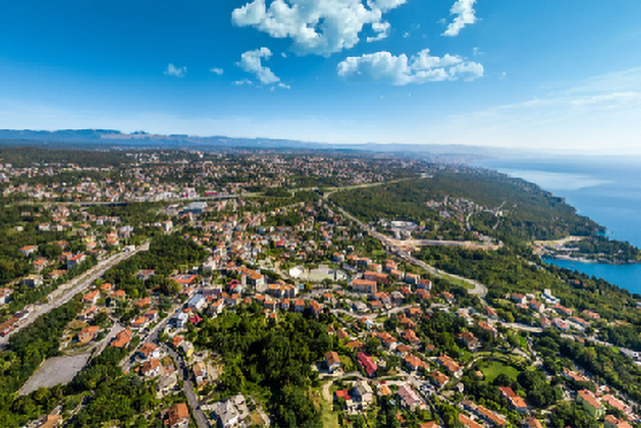
The Faculty of Tourism and Hospitality Management, University of Rijeka, as part of the CROCUS project, will research the rural areas of two neighboring counties of Croatia and Slovenia. In Croatia, the project will cover areas within the municipality of Matulji and neighboring municipalities that are territorially part of Primorsko-goranska County. This county is located in western Croatia and includes the north-eastern part of the Istrian peninsula, the Kvarner islands, the Croatian coast and Gorski Kotar, with the county center being the city of Rijeka. Part of the municipality of Matulji is located in the inland of Opatija, while the other part is located in the rural area of Ćićarija. The area covered by the CROCUS project is located in the northern part of the county and in the northern part of the municipality of Matulji.
The municipality of Matulji covers an area of 176.6 km² and has 10,773 inhabitants (as of 2021), which corresponds to a population density of 61 inhabitants/km². In the urban center, 3,566 inhabitants live, while others reside in rural areas in settlements such as Brdce, Bregi, Brešca, Jurdani, Jušići, Kućeli, Lipa, Male Mune, Mali Brgud, Matulji, Mihotići, Mučići, Pasjak, Permani, Rukavac, Rupa, Ružići, Šapjane, Vele Mune, Veli Brgud, Zaluki, Zvoneća, Žejane. According to the tourism development index, the municipality of Matulji belongs to the third category and has no hotel accommodation within its territory. Accommodation is offered in vacation homes, apartments and rooms for rent.
On the Slovenian side, it primarily concerns the area of the municipality of Ilirska Bistrica, which belongs to the Primorska region and the Notranjsko-kraška statistical region. This area is located in the south of Slovenia, southwest of Ljubljana, and is neighboring to the state border with Croatia. The municipality of Ilirska Bistrica covers an area of 480 km² and, with 13,350 inhabitants (as of mid-2022), is the second largest municipality in Slovenia in terms of area and the 41st largest in terms of population. The municipality has 28 inhabitants per square kilometer. There are 63 settlements in the area of Ilirska Bistrica, and similar to Matulji, there is no hotel accommodation in the municipality, but there is accommodation in tourist farms, guesthouses and similar accommodation.
Both areas are predominantly rural and are separated by the state border between Slovenia and Croatia. Before Croatia joined the Schengen area, there were two border crossings, Rupa and Pasjak, in this area. The cross-border areas have always been linked by economic cooperation. The construction of the Vienna-Trieste railway in 1857 and its branch line Pivka – Rijeka in 1873 were particularly important for the development of Matulji and traffic towards Slovenia, where Ilirska Bistrica and Matulji became railroad stations. At that time, the center of Matulji became the railroad station of Opatija, the cradle of Croatian tourism.
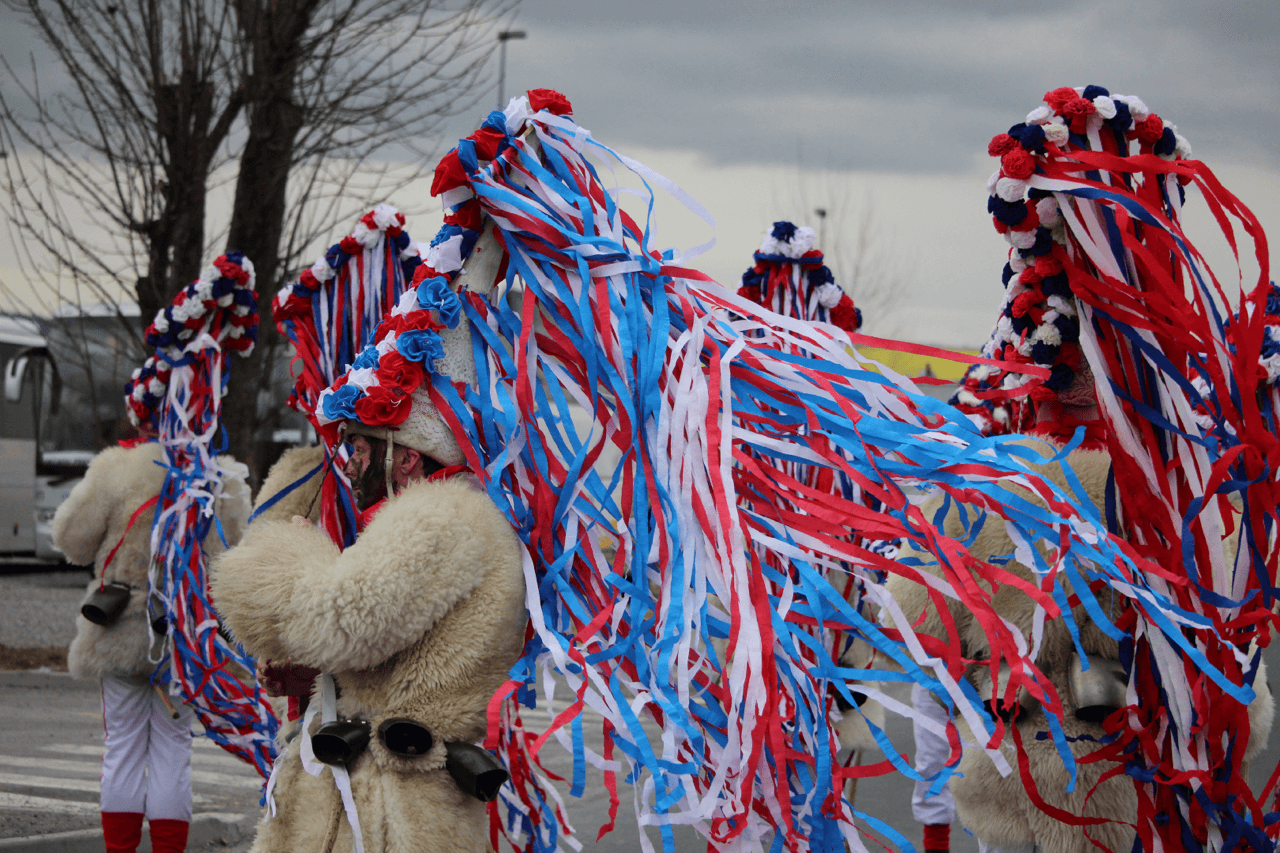
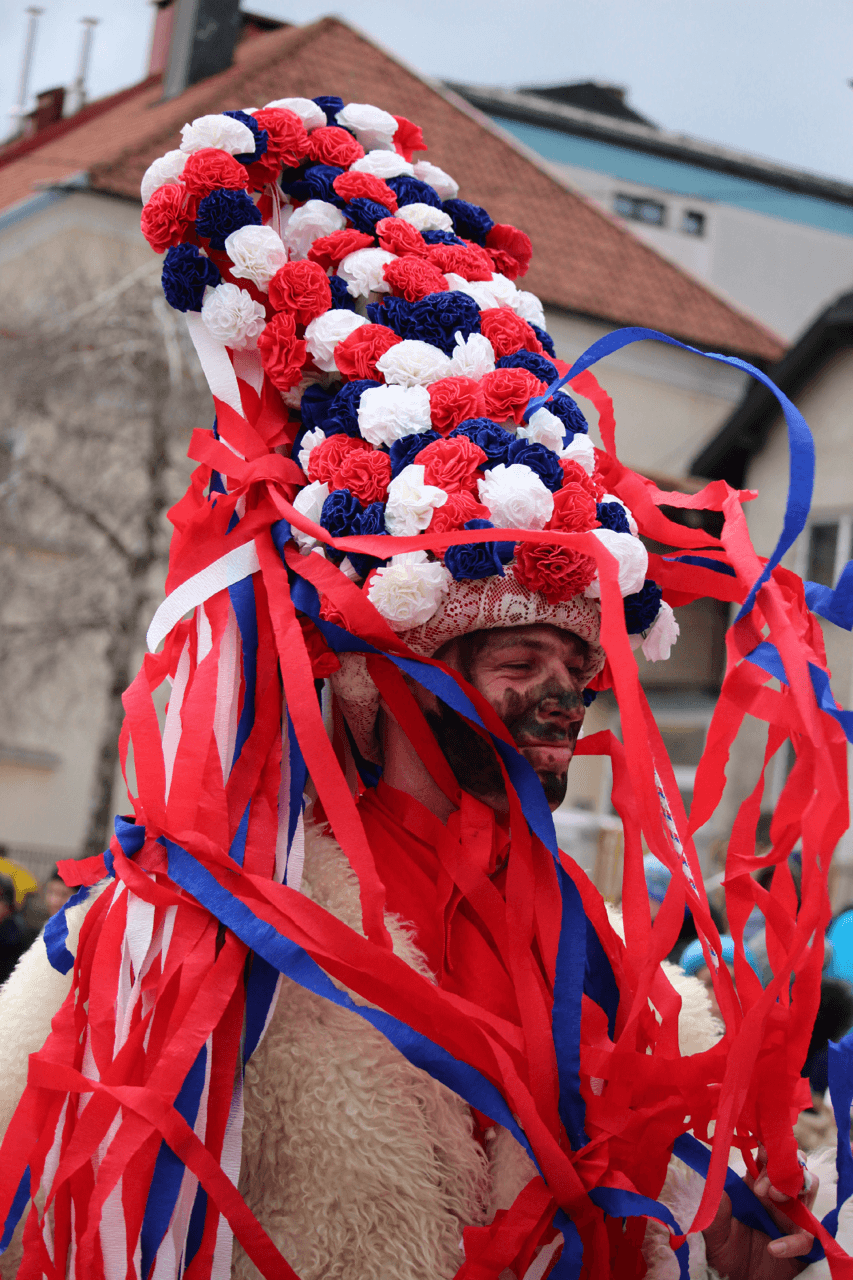
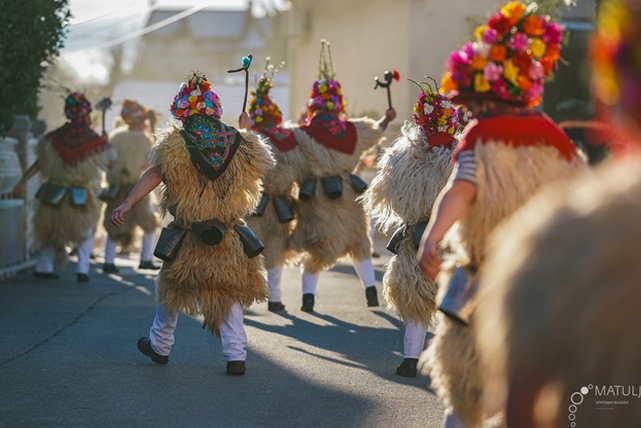
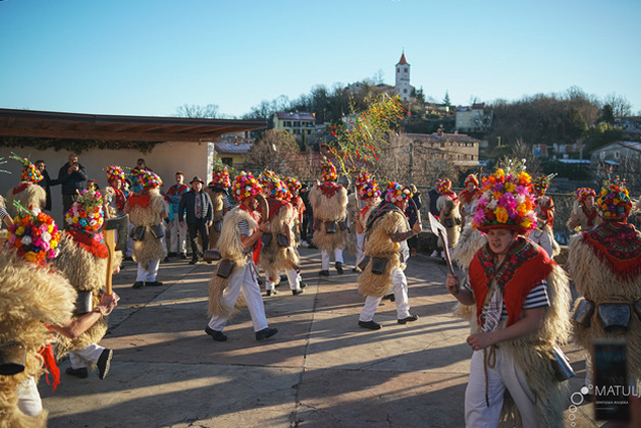
The most significant elements of the cultural and historical heritage on both the Croatian and Slovenian sides, besides ethnographic architectural heritage and sacral objects, are carnival customs. These areas have old carnival customs and bell ringers (Brežanski, Brgujski, Mučićevi, Munski, Rukavački, Zvonejski, Žejanski bell ringers and bell ringers of Frlanija, Vlahov Breg, Korensko) on the Croatian side, while Podgrad – Hrušica (Škoromati), Ilirska Bistrica (Vrbičke šime) are on the Slovenian side. The bell ringers of Kastavština and Matulji were added to the UNESCO Representative List of the Intangible Cultural Heritage of Humanity in 2009. Groups of men visit their village and the neighboring villages in processions several kilometers long along traditional routes. Some wear masks, while others wear various headdresses symbolizing vegetation and fertility. They all wear sheepskins turned upside down and bells, which is why they are also called bell ringers. They move in different ways and ring bells that combine traditional values and the unity of the local communities they visit. In addition to the bell ringers, there are various other carnival groups and customs in the region (e.g. the carnival begins exactly at midnight on Epiphany in the village of Žejane in Croatia, where the bell ringers, marking the arrival of the Three Kings and the beginning of the carnival, circle the village three times – once for each king, followed by the burning of the effigy at the end of the carnival on Ash Wednesday).
The area is also characterized by a specific gastronomy associated with the carnival period (e.g. Mune – Mune cabbage with sausages, Žejane – cabbage, polenta and sausages, desserts: fritters). The carnival customs and gastronomic offerings in the areas of both municipalities (Matulji and Ilirska Bistrica) undoubtedly represent a true wealth of diversity of cultural values in a narrow rural area. Rural areas belong to different municipalities, and the old carnival customs are not divided according to the new boundaries established by the new states, counties, cities and municipalities. Carnival customs should be researched and utilized to create cultural and creative tourism opportunities.
Zrinka Zadel
Strengths of the area (tangible and intangible)
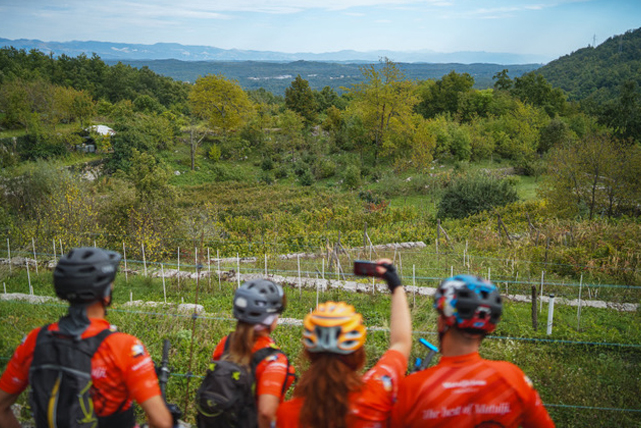
The values of the rural area lie in the preserved nature, rich in forests and meadows, especially in the Ćićarija region, a karst plateau in the northern part of the Istrian peninsula, which stretches from the hinterland of Trieste in Italy and Koper in Slovenia to the hinterland of Rijeka and Opatija. Its green cover is interrupted by white cliffs, which is why this part of Istria is also called White Istria in the narrower sense. Besides Ćićarija, there is also the area of Brkini (Brkinȉja) on the Slovenian side, which consists of rugged flysch hills surrounded by karst landscape in southwestern Slovenia, north of Ćićarija, and marks part of the northern border of Istria. Brkini is a traditionally agricultural area, where mainly cattle breeding and fruit growing are practiced. The area is sparsely populated, but the richness of nature offers numerous opportunities for outdoor activities (hiking, cycling, walking, etc.).
In the Matulji area, the Chakavian dialect prevails, while in the village of Žejane, the Istrian-Romanian language is spoken, which is protected as an intangible cultural heritage of Croatia. The traditional women’s clothing in Velike and Male Mune and Žejane and the protected cultural heritage of the village of Veli Brgud preserve cultural diversity. The architectural landscape of Veli Brgud reflects its medieval origins and is closely interwoven with the natural environment, which has a rich history of cattle breeding, forestry and viticulture. Gastronomy in this region is characterized by local ingredients and traditional cooking methods, with the exclusive Jarbola grape variety thriving in Zvoneća.
The Ilirska Bistrica region has a diverse cultural and historical heritage spanning different eras. This area is home to 237 immovable cultural assets, including numerous archeological sites, and is characterized by ancient settlements and the remains of Roman roads, which in the past served as important communication routes between Eastern and Western Europe. One of these sites is Podgrad, a central hub in the Podgradsko-Matarsko field, crowned by the ruins of a hilltop fortress dating back to 1284. The parish church of St. Cyril and Methodius (1910) is a testimony to the religious heritage of the region.
The carnival season, spanning from mid-January to the start of Lent, holds cultural significance in both Slovenian and Croatian regions. The festivities include traditional bell ringing customs,with Croatian groups like Brežanski, Brgujski, Mučićevi, Munski, Rukavački, Zvonejski, Žejanski and the bell ringers of Frlanija, Vlahov Breg and Korensko. Notable Slovenian ensembles include Podgrad – Hrušica (Škoromati) and Ilirska Bistrica (Vrbičke šime), with Škoromatija being part of Slovenia’s intangible cultural heritage since 2012. In Podrag, cultural artifacts are exhibited in an ethnological museum collection entitled “Brkinski škoromati”. The bell ringers of Kastavština and the Matulji area were recognized by UNESCO in 2009.
The area belongs to different municipalities and countries, but the old traditional carnival customs and gastronomic offerings associated with the carnival season unite these regions and represent a value for both local communities and visitors.
The community | Cultural heritage, Typical products and activities
The small area of the municipality of Matulji has a rich cultural and historical heritage. Several hamlets and villages are registered as rural units in the register of cultural monuments:
- “Andrejići”, a hamlet in Rukavac – contains stone-built houses. The hamlet also features a “tornica” (a semi-circular attachment to the kitchen where the hearth with a chimney was located).
- Veli Brgud – a medieval pastoral settlement closely tied to pastures and forests and later turned to agriculture and viticulture. The agricultural buildings have preserved their older stone construction with roofs made of plant material.
- The village of Lipa – a place marked by a fascist-terrorist act.
The 150-year-old railway station is architecturally significant. Local restaurants and taverns serve traditional dishes like presnac, grašnjaki, frites, sausage stew, turnips with polenta, alongside indigenous products like brgujski kapuz (an indigenous Croatian variety of cabbage with a specific purple color and strong peppery taste) and jarbola (wine made from an indigenous Croatian grape variety).
The most famous events include:
- ZVONČARI – VA MATUJSKEN KRAJE, an event lasting from January 17th to Ash Wednesday. During this period, around ten groups of men spend weeks visiting their own and neighboring villages. They have bells tied around their waists, usually three, and they collide with each other, jump high (bell ringers of Brgud), or try to synchronize their ringing in pairs (Žejane, Mune).
- ZVONČARSKA SMOTRA – a “big gathering” held on the Saturday before Shrove Tuesday. Accompanying the bell ringers in carnival processions, you can see the traditional attire of Veliki and Mali Muni and Žejane women.
- BICYCLE RIDE ALONG THE CARNIVAL ROUTES – an event where only costumed cyclists can participate, and at the end of the route, participants are treated to a traditional lunch.
During the Carnival, the Bell Ringers Museum Collection in Rukavac is open.
The Matulji Tourist Board is developing cycling and hiking trails: MATULJI BIKE & HIKE, 113 MUNE and ŽEJANE and 114 ONE SU HODILE.
Ilirska Bistrica residents farm, raise livestock, and sell local products like honey, berries, apples, sauerkraut, beets, and asparagus. They eco-farm pigs and goats for homemade products.
The central cultural landmarks of the municipality of Ilirska Bistrica are:
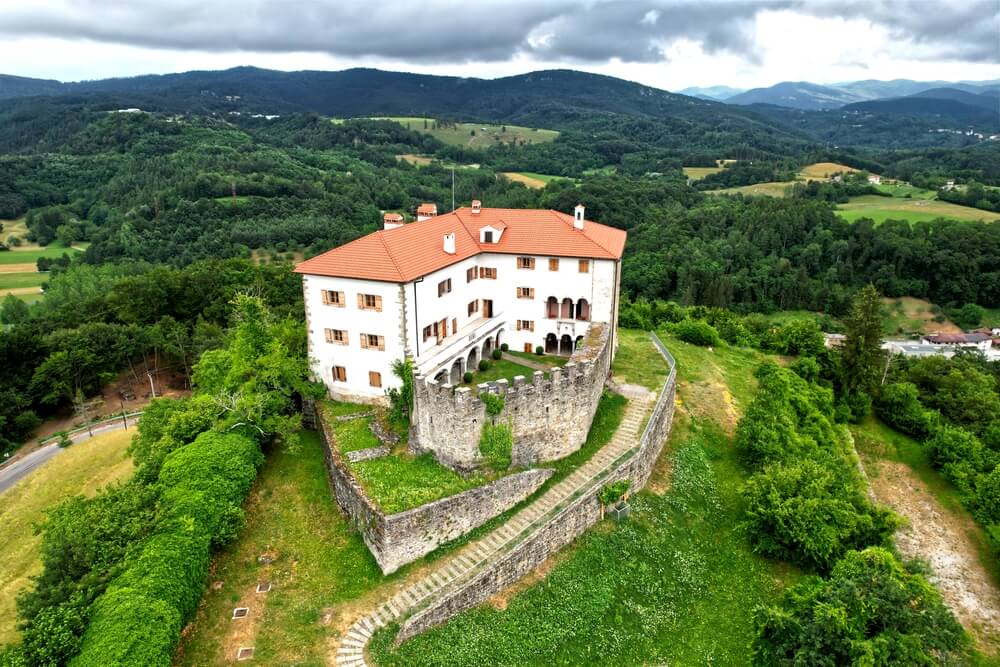
- The village of Prem with the Church of St. Helena, the birth house of Dragotin Kette and Prem Castle with a permanent museum.
- The Mašun hunting hill in the eastern part of the forest clearing.
- Novak’s household representing milling tradition.
- The old town center of Ilirska Bistrica where the church and ruins of Gradina Castle are located.
- Hodnik’s mill, Gallery, Town Palace and granary and numerous archaeological sites.
The most famous events include: Paddling for Clean Waters, Snežnik Runs, Cycling Weekend in Bistrica, Medieval Day at Prem Castle, Hill Climb Race GHD Ilirska Bistrica, Bistrica Market, Bučjada Pumpkin Festival, Merry December, Carnival “Pust je pršu,” Exhibition of the Slovenian Ethnographic Museum Vrbišččje šjme, Wine Festival, Visit to Ilirska Bistrica, Sloenduro Borovci, Easter Exhibition, and Brkini Classic. Vrbišččje šjme (a carnival group) and Škoromatije (a Shrovetide custom) are listed in the intangible heritage register.
Challenges and objectives Community expectations and needs
The subject of the CROCUS project is the rural area in the immediate vicinity of the tourist-developed city of Opatija and the city of Rijeka as the center of Primorsko-goranska county. The local population in the area where the project is being implemented deeply cherishes tradition and local customs, while also being very open-minded and respecting diversity. Throughout history, friendship and coexistence among the local population in this border region have been nurtured, even during turbulent historical circumstances which connected rather than divided the population.
The main challenges lie in motivating the local population, especially those actively preserving traditions, to actively engage in the realization of this project, and adequately presenting the long-term benefits that the project should contribute to, both economically and socially, to the development of this border region.
The aim is to develop cultural and creative tourism in line with sustainability principles, respecting the local, indigenous, and authentic. Such tourism development should give significance to the local community as an active participant in its creation, as well as a key beneficiary of the benefits that its development brings.
Throughout the process, it is especially important to focus on the expectations and needs of the local community, which is strongly connected to local customs and tradition, not inclined to its transformation but rather its preservation in its original form. Recommendations for further development of cultural and creative tourism need to be adapted to this, ensuring that tourism is developed in maximum alignment with the needs and expectations of the local community. The richness of local tradition and customs has great potential for appropriate tourism valorization based on sustainability, inclusivity, and participatory principles.