


Mulgimaa & North Vidzeme
The case study area consists of Mulgi parish (vald) in Estonia and Mazsalaca, Rūjiena, Naukšēni and Burtnieku, four parishes (pagasts) of the larger North Vidzeme area in Latvia. The Mulgi parish is 881km² with a population of 7210. The Latvian part is 994km² with a population of 9646.
Mulgimaa (Estonia) and North Vidzeme (Latvia) became separated only in 1922, with the establishment of national borders after the two countries gained independence. Previously, in the late 19th century, the common area had been characterised by large farmstead manors, innovativity, relative wealth and high self-esteem of its inhabitants. In the political turmoil of the mid-20th century the conditions changed and the areas became marginalised. Nevertheless, in Estonia, farm manors gradually rose to a prominent position in the cultural memory as symbols of a bygone golden era of the inter-war republic and the “Estonian way” of living. A similar observation can be made on the Latvian side – it is a cultural-historical environment rich with manor houses and sacral sites.
Strengths of the area (tangible and intangible)
Even though the area is divided by the border between Estonia and Latvia, it is still easily travellable due to both countries being part of the European Union (2004), the Schengen area (2007), and the eurozone (Estonia 2011, Latvia 2014). The shared history and experiences between the areas, now separated by national borders, are reflected in rural architecture, especially the large farmstead manors (‘häärber’ in Estonian), and traditional food, such as the potato and barley groats mash, and kama, a mixture of roasted barley, rye, oat and pea flour. The part of the population that was born and raised during the Soviet era still uses Russian as the common language, and many ties have persisted throughout the changes.

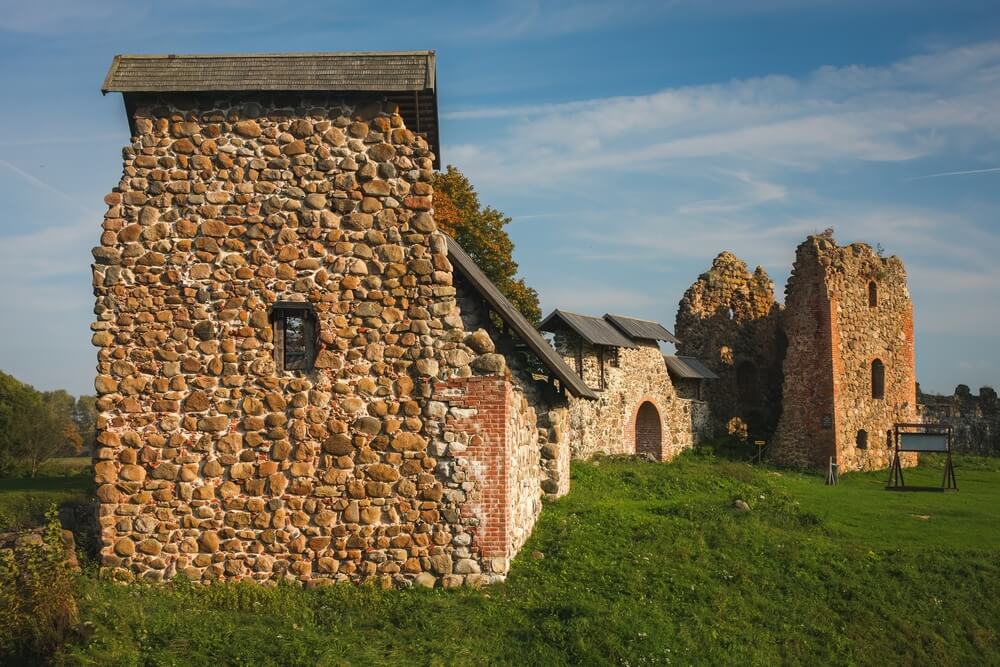
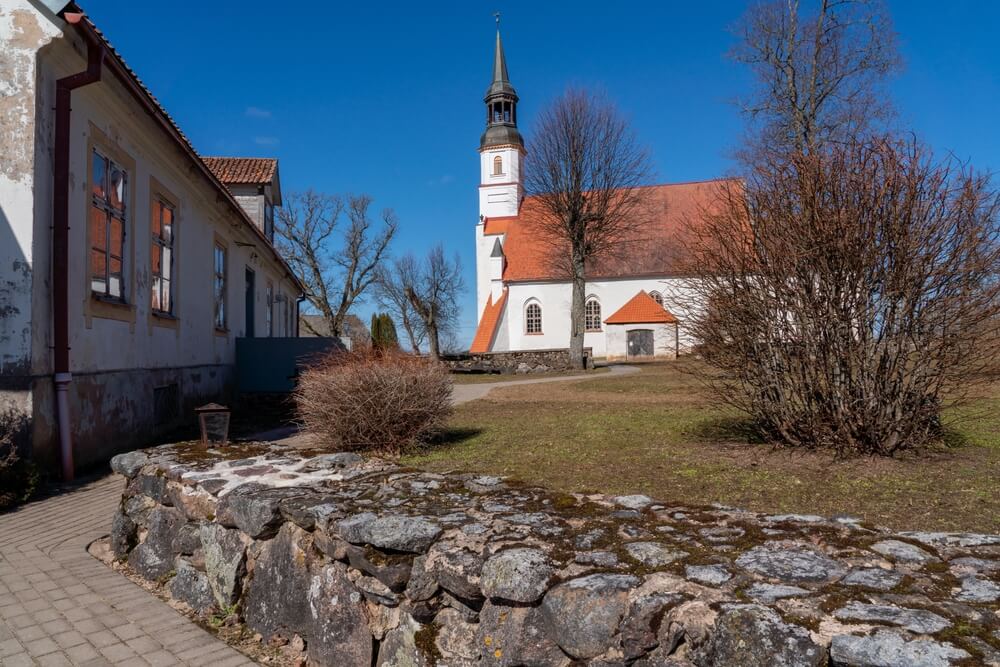

The community | Cultural heritage, Typical products and activities
Mulgimaa is known as the birthplace of a variety of foods that are now considered Estonian national dishes, while Mulgi foodways still also constitute an important part of the people’s living heritage. Although the reputation of Mulgimaa had its ups and downs, Mulgi porridge, or potato and barley groats mash which originates from the region, continued to gain popularity since its invention in the second half of the 19th century. In 2023, the Institute of Mulgi Culture proposed Mulgi porridge to be included in UNESCO Intangible Cultural Heritage List. The international committee will make the decision by the end of 2024. Other contemporary heritage values in the region are the Mulgi language, regional folk costumes, and patterns.
The region in Northern Latvia has preserved some of Livonian culture, however, most of the representatives of this Finno-Ugric ethnic group have faded away and the language is spoken very rarely by very few people. Regarding typical products and activities, Mazsalaca is famous for its apiculture (offering visitors an insight into bee life, wax extraction, and resin casting), and Rūjiena boasts an ice cream factory, one of the largest ice-cream producers in the country.
Challenges and objectives Community expectations and needs
Like many rural areas, both Mulgimaa and North Vidzeme are experiencing population decline due to migration to other cities or other countries. One of the key challenges in small communities is economic sustainability. Infrastructure, including healthcare deficiencies, inadequate roads, public transport, and digital connectivity impact the quality of life. Limited job prospects, especially in specialised fields, hinder local development. Young people often move away in search of better education and job opportunities, while the aging population poses challenges for maintaining community viability and essential services. A particular challenge in the region is the seasonality of tourism, which is heavily influenced by the focus on nature and the outdoors, but is lacking a clear focus. Regarding the challenges common in local communities, much of the heritage preservation and development work is done by NGOs led by a few individuals, leading to fatigue and frequent changes in their leadership.
Ongoing initiatives Actions/activities for the enhancement of the territory
Mulgimaa (EE):
Mulgimaa Arenduskoda (LAG Mulgimaa Development Centre)
Since October 2017, Mulgimaa Development Centre covers 3 municipalities in the historic Mulgimaa region. Altogether there are 102 members (list of members as of May 2023), in addition to the 3 municipalities, also 38 enterprises and 60 NGO’s.
The organisation focuses on three topics:
1) supporting small entrepreneurship and creating new jobs;
2) developing the attractiveness of the living environment and life quality in rural areas; and
3) increasing the competitiveness and originality of Mulgimaa in the tourism sector.
Mulgi Kultuuri Instituut (Institute of Mulgi Culture)
The Institute of Mulgi Culture is the only continuously operating organisation in Estonia, whose main goal is to preserve, popularise and transmit the Mulgi language and traditional culture, and to introduce Mulgimaa as a culturally historical region.
Mulgi Elamuskeskus (Mulgimaa Experience Centre)
The Institute of Mulgi Culture is the only continuously operating organisation in Estonia, whose main goal is to preserve, popularise and transmit the Mulgi language and traditional culture, and to introduce Mulgimaa as a culturally historical region.
Rūjiena (LV)
Rūjiena – BSR Cultural Pearl 2024
An international jury has chosen Svendborg (Denmark), Kiel (Germany), Jakobstad (Finland) and Rūjiena (Latvia) from among 12 candidates from the countries around the Baltic Sea Region and they are awarded the BSR Cultural Pearls title for the year 2024. These cities prepared convincing and impactful Culture and Social Resilience Action Plans aimed at making their communities more resilient through culture and creativity.
Examples of synergies with neighboring territories or among activities
Estonian-Latvian border fair in Mõisaküla. A fair with sellers from all over Estonia and Latvia, selling plants, handicrafts and other goods
How to transform the territory into an attractive tourist area?
Diversifying the economy, promoting entrepreneurship, and attracting investments are crucial for sustaining livelihoods. In addition to nature, attention could be drawn on buildings and historical sites. Revitalising them can enhance community aesthetics and attract visitors: creative adaptive reuse, heritage preservation, and cultural tourism can breathe new life into these spaces. Encouraging cultural events, supporting local artists, promoting traditional crafts and recognising and acknowledging the heritage-aware individuals within the communities would help to preserve traditions, maintain identity and a sense of community.
The areas would benefit from collaboration with neighbouring regions, municipalities, and organisations: sharing resources, knowledge, and best practices strengthens community resilience and capacity. Engaging young people in community activities and supporting schools, extracurricular programmes, and vocational training would help to retain youth. In cross-border cooperation, it is also important to bridge the gap between generations that communicate in different languages: due to both Estonia and Latvia being post-Soviet countries, it is still relatively common for people older than 40 to use Russian as the common language, while the younger generations across the borders have less contact, or prefer English, especially on the Estonian side.
As expressed by the community representatives, it is important to involve experts in intangible cultural heritage management, and to engage locals as custodians, creators and innovators of heritage in the development of new initiatives, to ensure the longevity and sustainability of different projects. To achieve their common goals, local cultural institutions and tourism enterprises should coordinate their objectives and activities better to avoid fragmentation of their tasks and management. In turn, municipalities should consider funding options to ensure the sustainability of both cultural institutions and tourism enterprises.