Sønderjylland & Schleswig-Holstein
The Living Lab area Sønderjylland-Schleswig covers the border region between Denmark and Germany, a predominantly flat rural area with some medium-sized towns along the North Sea and Baltic coasts[1]. Effectively identical with the Dukedom of Schleswig, the area has a rich cultural heritage that reflects the geographical contrasts between the western sea-dominated Wadden Sea coast, the longstanding traditions in trade and industry in the eastern towns, and the marks of a tumultuous history at intersecting outskirts of German and Danish spheres of interest.
For more than thousand years the governance arrangements have been influenced by both German and Danish rulers, resulting in complex and shifting patterns of governance from the Viking Age onwards, culminating in two wars in the 19th century, until a referendum in the wake of the Versailles peace treaty resulted in the current border between Denmark and Germany being instituted in 1920. Especially in the second half of the 20th century the minorities on either of the border have been recognized and gradually integrated, including a Frisian minority along the west coast of Germany.
The current level of social, economic and cultural interaction across the border is considerable, aided by the European single market, the Schengen agreement, and the presence of a host of cross-border initiatives sponsored by national and regional authorities as well as EU-funding through the INTERREG programme.
In order to deepen and extend cross-border collaboration, regional and local actors on both side of the border established Region Sønderjylland-Schleswig in 1997, providing a framework for further cooperation in areas such as culture and labour market, with INTERREG funds being earmarked for citizen-driven initiatives. The Region maintaining an ongoing dialogue with policy-makers in the three capital cities of Berlin (Federal republic of Germany), Kiel (Land Schleswig-Holstein), and Copenhagen (Kingdom of Denmark).
[1] The border region includes four Danish municipalities (Aabenraa, Tønder, Haderslev, Sønderborg) and three German municipalities (Stadt Flensburg, Kreis Nordfriesland, Kreis Schleswig-Flensburg).
Cultural profile
The area has a rich cultural heritage that reflects the geographical contrasts between the western sea-dominated Wadden Sea coast, the longstanding traditions in trade and industry in the eastern towns, and the marks of a tumultuous history at intersecting outskirts of German and Danish spheres of interest. The cultural resources at the centre of the CROCUS Living Lab area Sønderjylland-Schleswig remains to be decided in consultation with local stakeholders, but it is very clear that lots of exciting possibilities exist, including
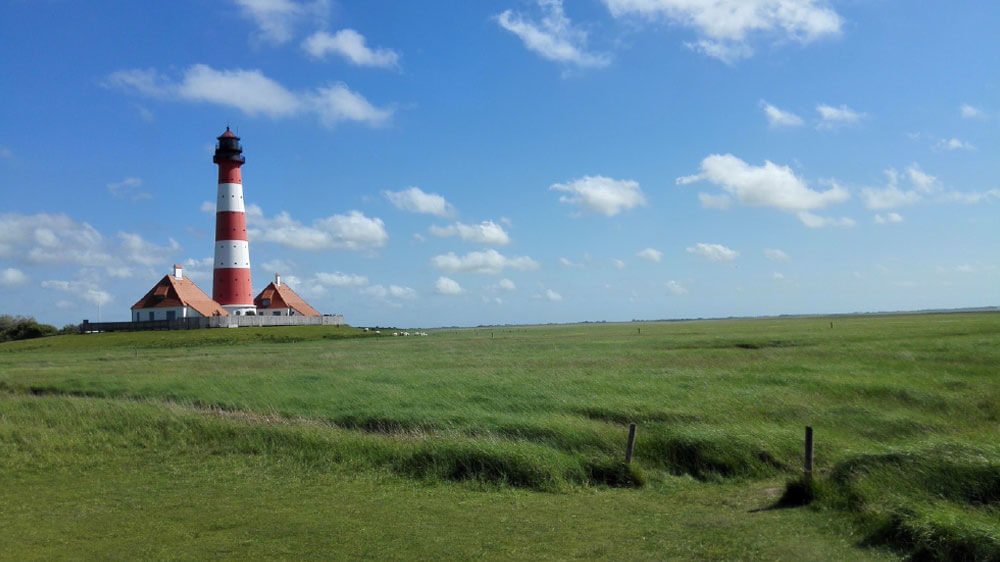
- Built heritage along the Wadden Sea that reflects centuries of living with and of the massive forces of the North Sea, including dikes, lighthouses and rural architecture
- Heritage associated with trade, including the main trading place of the vikings at Haithabu/Hedeby by Schleswig, the prosperous east-coast towns from Schleswig to Haderslev, and the major trading route taking cattle from Denmark towards Germany
- A rich gastronomic heritage reflecting the landscape (e.g. oysters) and history (massive coffee tables)
- Traditional sports such as ring riding that have evolved into local festivals celebrating horses and highly skilled riders, young and old
- A history of conflict, with fortifications and battle grounds from the vikings to the 19th century, and the physical infrastructures created during the second world war
Tourism profile and development
Both north and south of the border, leisure tourism is a highly seasonal activity, with active coastal tourism in the summer and quiet winters with limited visitation. While spending time at the sea is clearly a major attraction along the east coast and on the many islands in the Wadden Sea, the presence of gastronomic and other cultural experiences provides important supplementary reasons to visit the area.
The promotion of tourism development is organised somewhat differently on the Danish and German side of the border. While destination management organisations (DMOs) undertake both marketing and development tasks in collaboration with private and public tourism stakeholders, the Danish Destination Sønderjylland covers three municipalities and is extensively involved in development projects, the German DMOs follow municipal borders and typically engage with local partner organisations when undertaking development projects.
Cross-border cultural tourism
Due to significant similarities in terms of cultural resources on both side of the border, cross-border cultural tourism can readily be pursued by individual travelers who know their way around. This option is, however, less visible, as individual DMOs tend to promote their own areas rather than sending visitors on the road to similar destinations elsewhere in the region.
Cross-border cultural tourism has, however, been the focus of development projects in recent years, including
- World War 2 heritage and legacies (Hope & Despair INTERREG project)
- Sustainable guiding of nature and cultural tourism (VaBene INTERREG project)
- Digital development of cultural heritage, including augmented reality (TORCH INTERREG project)
- Wadden Sea building heritage, traditional customs and gastronomy (NAKUWA INTERREG project)
Projects all involve collaboration between key stakeholders on both sides of the border and involve development of new competences and experiences, thereby highlighting shared cultural heritage and potentially leading tourist to enjoy what the Sønderjylland-Schleswig border region has to offer.