


Cultural and Creative Tourism: Theories, Practices and Tools
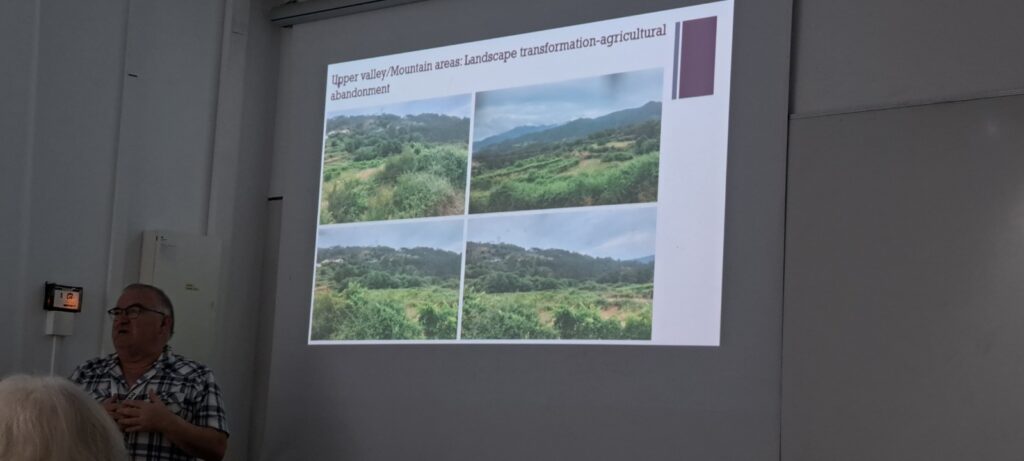
The ATLAS 2025 track on Cultural and Creative Tourism explored how creativity can foster sustainability and inclusion. The CROCUS project highlighted new models and practices to valorize intangible heritage and support local development.
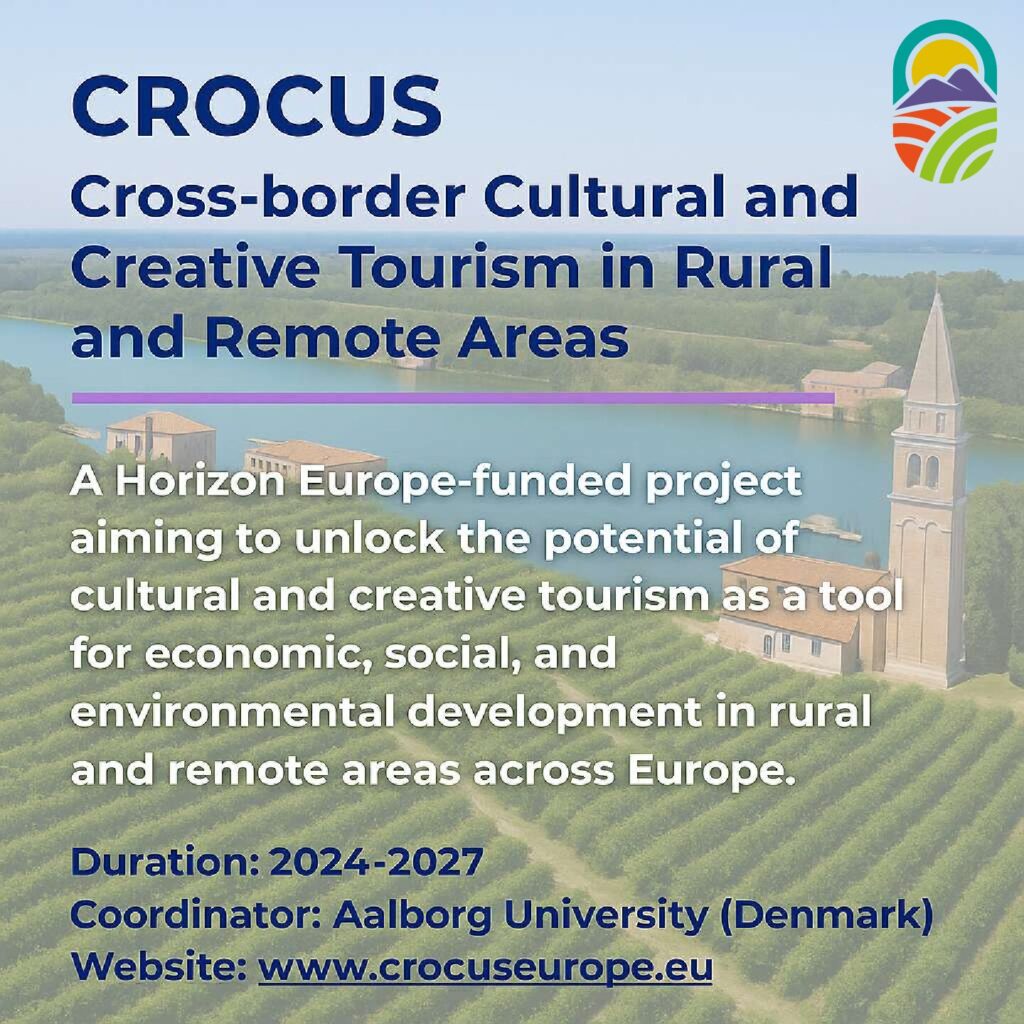
CROCUS brochure
Tourism Across Borders (Zala and Pomurske) – What do locals, businesses, and visitors think?
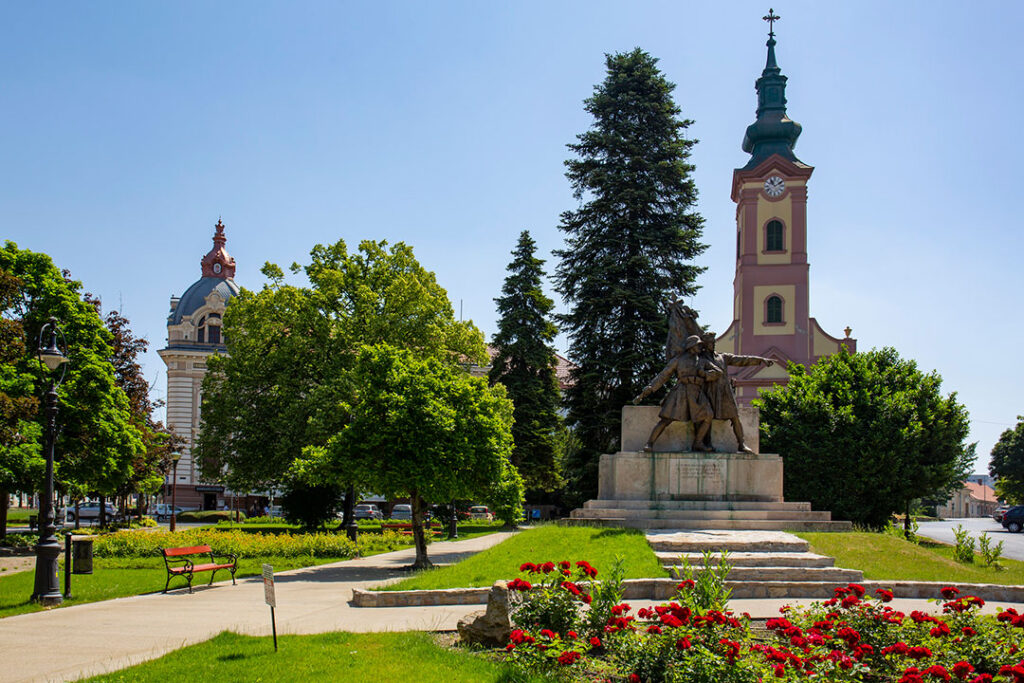
The CROCUS project shows that in Zala (Hungary) and Pomurske (Slovenia), tourism is seen as both an economic and cultural opportunity and an environmental and infrastructural challenge, with strong support for sustainable, shared development.
D7.1 – First policy briefing
D4.2 – Living lab terms of reference

D4.1 – Framework for ‘empathising’ and ‘defining’ phases

D2.2 – CCT business models
D2.1 – Concepts & methods
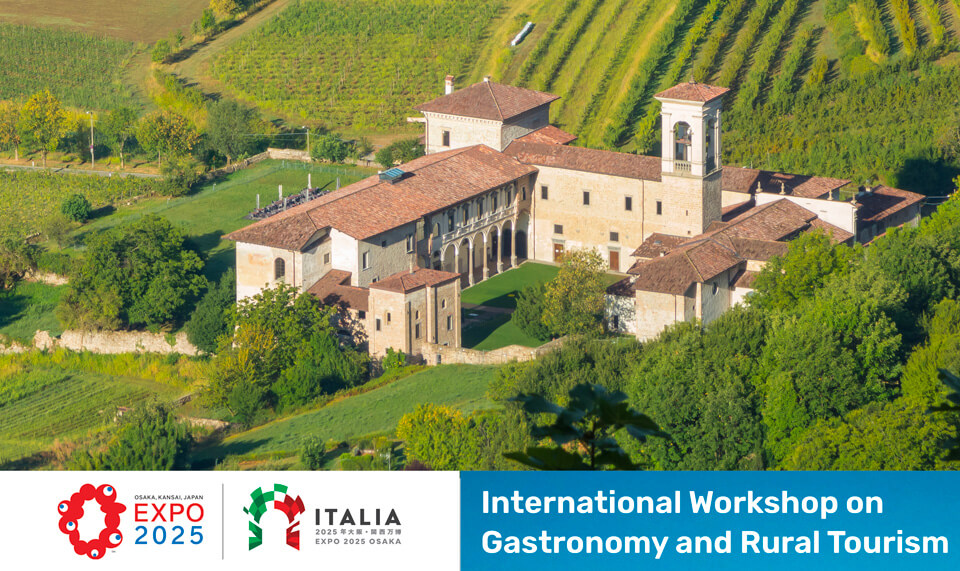
Crocus lands at the Osaka Expo, in the frame of a conference on sustainable tourism in rural areas promoted by the University of Bergamo
The CROCUS project at Expo Osaka 2025 showcased rural and cultural tourism—exemplified by Alpine cheese heritage—as a sustainable response to overtourism, promoting authenticity, community resilience, and balanced visitor flows.
KNOWLEDGE GAPS AND FUNDING GAPS Developing Research and Innovation Policies for Sustainable Cultural and Creative Tourism in Europe’s Rural Areas
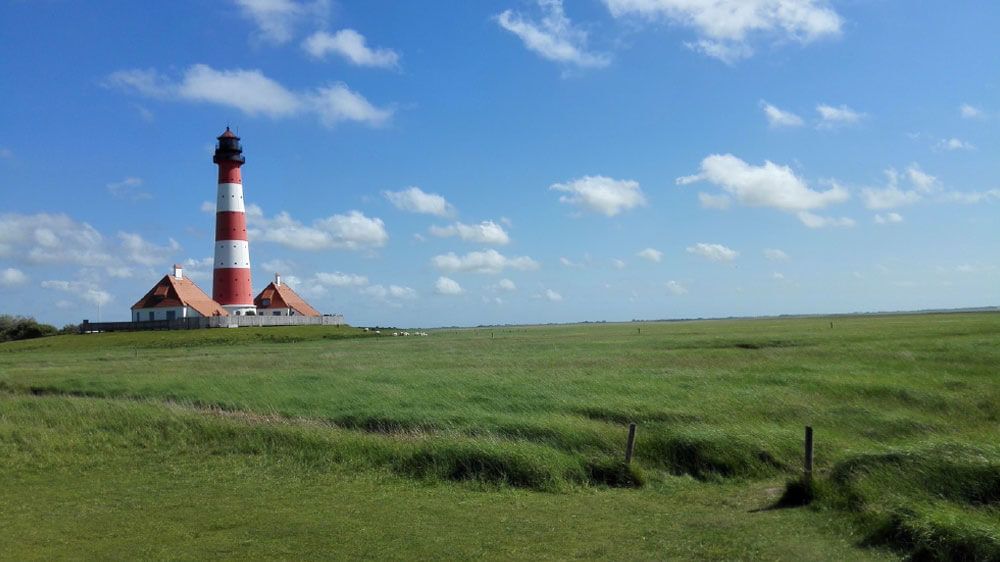
The CROCUS project’s first policy brief for DG RTD offers key recommendations to foster sustainable cultural and creative tourism in Europe’s rural areas, focusing on intangible heritage, tailored business models, and coordinated EU policies.