In recent years, the concept of Cultural and Creative Tourism (CCT) has become one of the most promising approaches to revitalising Europe’s rural and remote areas. Supported by the European Union’s CROCUS Project (Horizon Europe), a group of 23 experts from across Europe carried out an extensive literature review to understand how culture and creativity can become powerful drivers of local development outside the traditional urban centres.
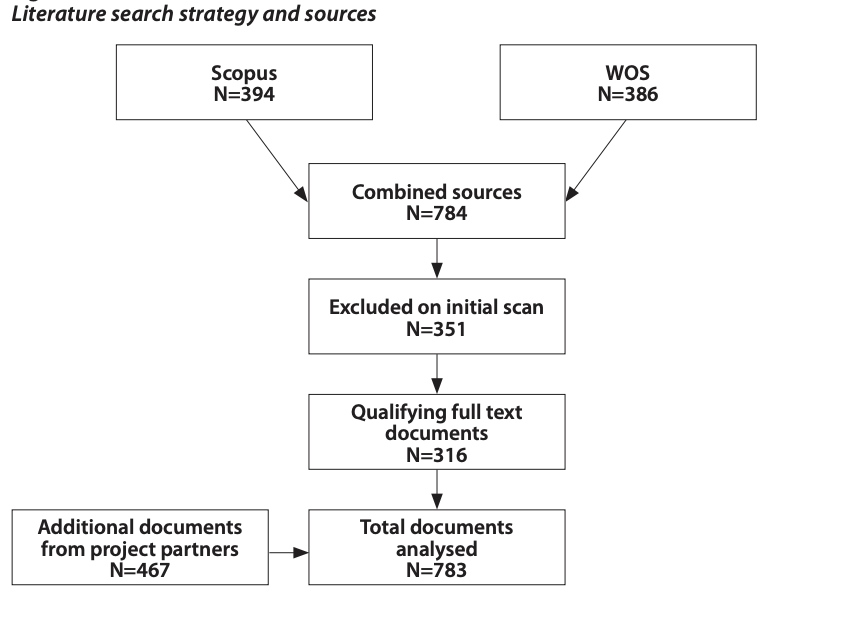
The research, published in the journal Tourism (Vol. 73, No. 4, 2025), analysed more than 700 academic sources in multiple languages, providing the most comprehensive overview to date of cultural and creative tourism in non-urban contexts. It shows that, while cities have long dominated cultural tourism studies, rural Europe — representing over 80% of the continent’s territory — offers unique opportunities to merge heritage, creativity, and community well-being.
Rural and remote regions are rich in tangible and intangible heritage: ancient crafts, traditional foodways, local festivals, music, storytelling, and landscapes that embody centuries of cultural identity. Yet these same areas often face pressing challenges — population decline, low income, and limited infrastructure. In this context, CCT emerges as a sustainable model capable of creating jobs, encouraging innovation, and strengthening local identity.
The study identifies four main dimensions that define CCT in rural Europe:
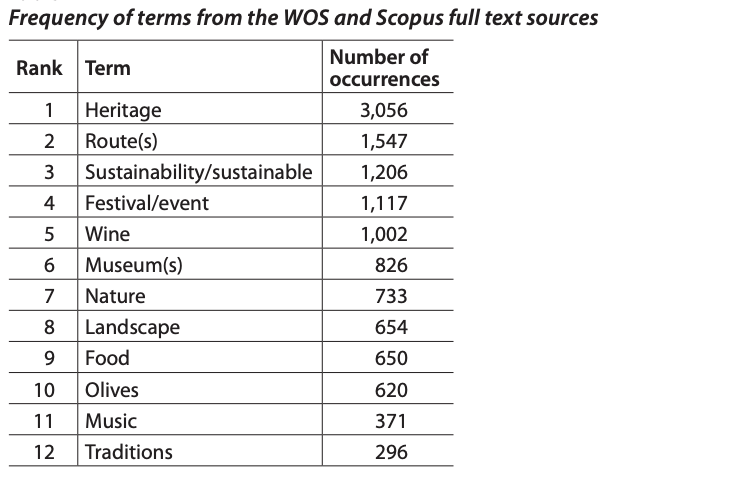
Experiencing Rurality – Visitors increasingly seek authenticity, contact with traditions, and opportunities for creative expression. Culinary heritage plays a leading role: wine, olive oil, cheese, and gastronomy events are not just attractions but symbols of belonging and creativity.
Staying in Rural Places – Innovative accommodation models such as Italy’s albergo diffuso or Portugal’s pousadas show how hospitality can protect architectural heritage while involving residents as storytellers and hosts.
Moving Through the Landscape – Cultural routes and thematic itineraries, such as the Via Francigena, wine and olive oil routes, and local heritage trails, demonstrate how soft mobility and cooperation between small communities can bring visitors to less-known destinations.
Developing Tourism – Governance, sustainability, and community participation are essential to ensure that tourism benefits local people. Successful examples show how creative clusters, local networks, and cross-sector partnerships can transform rural areas into laboratories of innovation.
One of the most significant findings is the growing importance of intangible heritage. From gastronomy to oral traditions and crafts, these living expressions of culture are increasingly seen as the foundation for meaningful and immersive visitor experiences. However, the research also highlights that digitalisation, governance frameworks, and cross-border collaboration remain underexplored areas, calling for further policy and academic attention.
The paper concludes that rural Europe’s future lies in creativity and cooperation. By reimagining heritage not as a static monument but as a living process, cultural and creative tourism can help small communities preserve their identity while opening up to innovation, inclusion, and sustainability.
CCT, therefore, is not only about attracting visitors — it is about co-creating vibrant, resilient, and connected rural territories, where culture becomes both an economic asset and a shared language between residents and guests.
Read the full paper here: Cultural and Creative Tourism in Rural and Remote Areas: European Perspectives