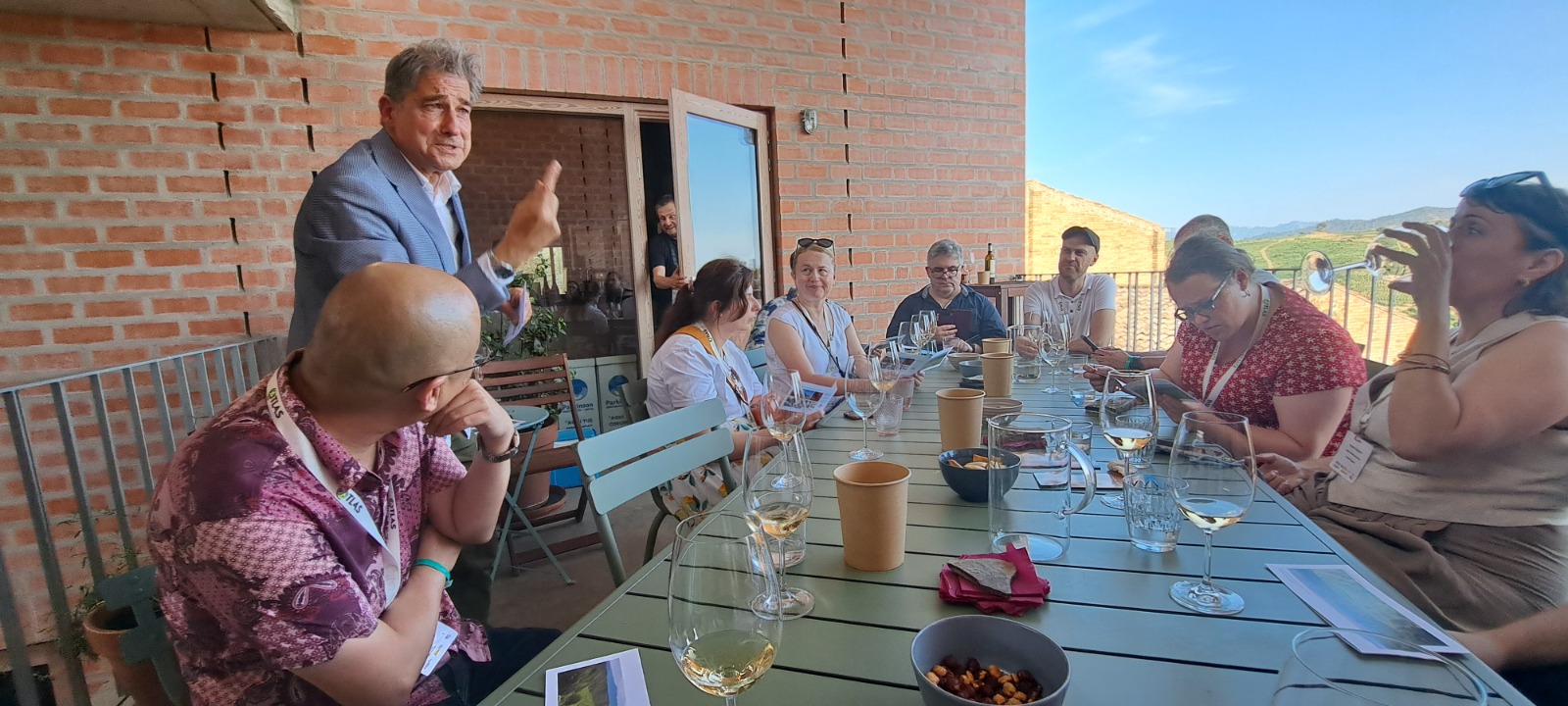
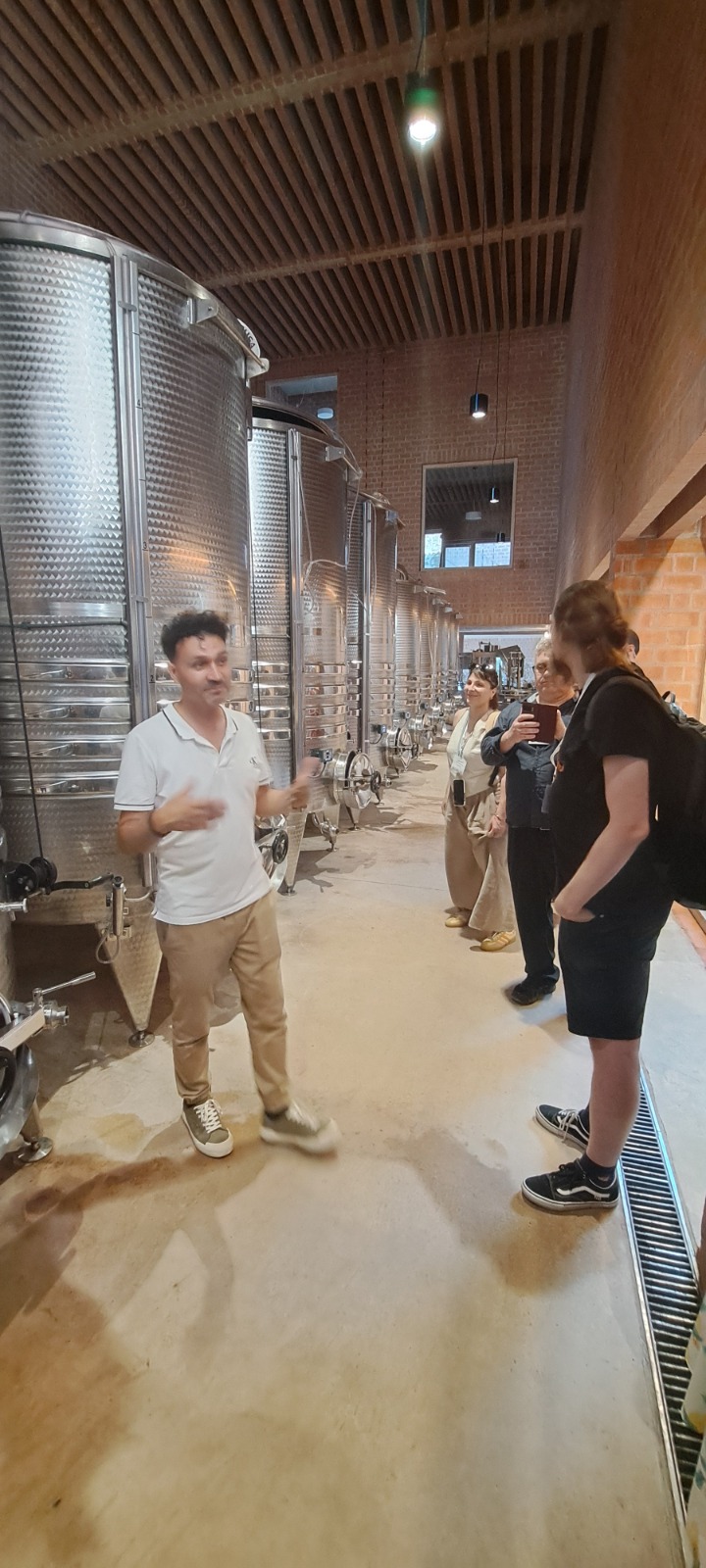
Insights from the ATLAS Annual Conference 2025, Vila-Seca, Spain
By Henrik Halkier (Aalborg University), Laura James (Aalborg University) & Greg Richards (ATLAS)
The 2025 ATLAS Annual Conference in Vila-Seca, Spain, hosted a special track dedicated to “Cultural and Creative Tourism: Theories, Practices and Tools”. Organised by the ATLAS Special Interest Group on Cultural Tourism in collaboration with the Horizon Europe CROCUS project, the session brought together leading researchers and practitioners from across Europe to discuss how new approaches to cultural and creative tourism (CCT) can help build more sustainable and inclusive destinations. This year’s track was particularly timely. As tourism destinations worldwide continue to grapple with overtourism in major cities and depopulation in rural regions, cultural and creative tourism is being recognised as a powerful tool for redistributing tourism flows and revitalising local economies. At the same time, the concept of creativity itself is being re-examined — no longer as a mere marketing device, but as a participatory process embedded in communities, cultural networks, and places.
Greg Richards opened the session with the paper “From the Centre to the Periphery: Intangible Cultural Heritage in Rural and Remote Areas”, based on research conducted within the CROCUS project. The study explored how Intangible Cultural Heritage (ICH)—including crafts, gastronomy, storytelling, and language—plays a crucial role in shaping identity and sense of place in rural regions. While cultural tourism research has traditionally focused on major cities with tangible heritage landmarks, Richards’ literature review highlighted the growing importance of intangible heritage as both a creative resource and a driver of local development. However, he warned that many studies still treat ICH as a background feature rather than a central component of tourist experience.
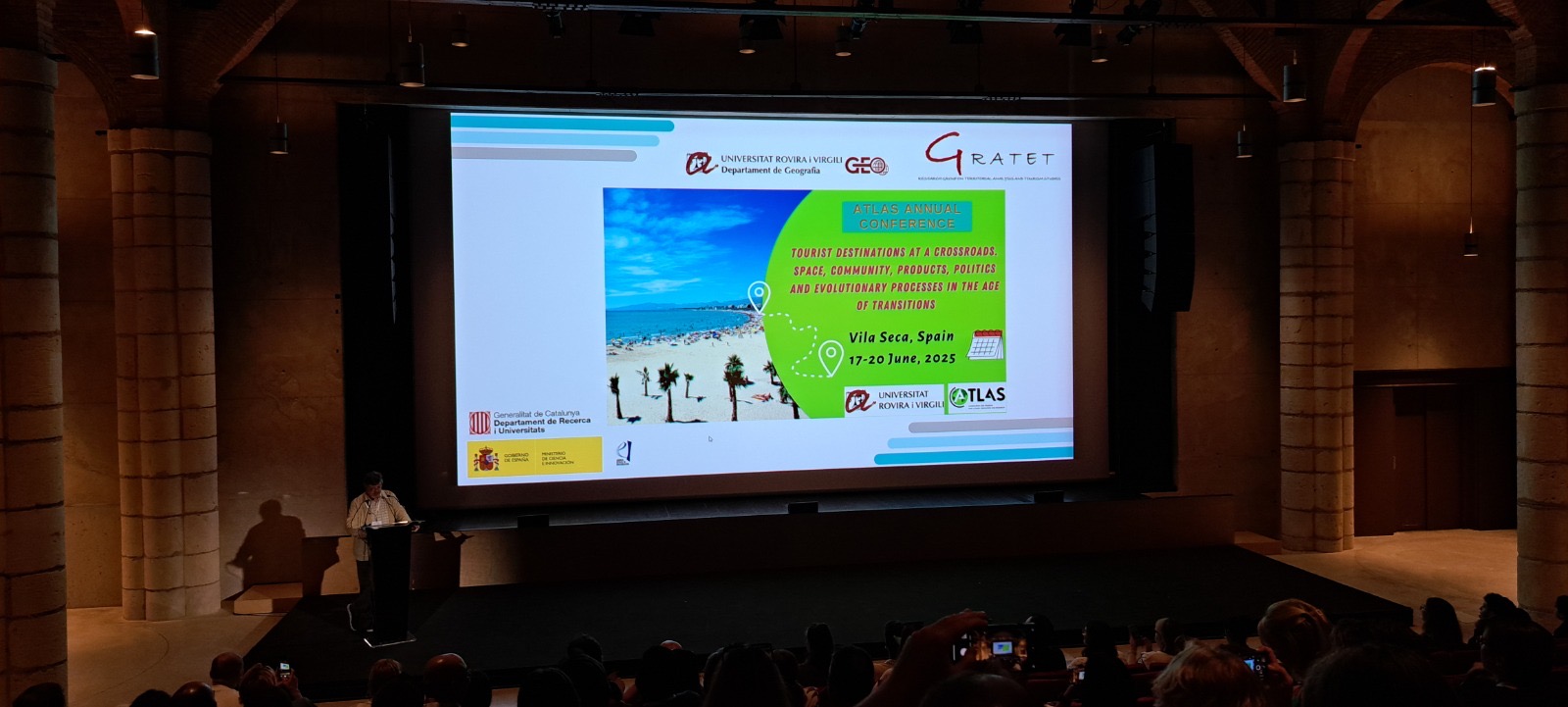
“We need to move beyond the idea of intangible heritage as something to ‘see’,” Richards argued, “and start treating it as something to ‘do’, to co-create with communities.”
The research also underlined several gaps that the CROCUS project aims to address — from sustainable business models for small-scale creative enterprises to governance structures that empower local stakeholders.
One of the most discussed sessions within the special track focused explicitly on the work of CROCUS, led by Laura James and Henrik Halkier from Aalborg University. Their presentation, “Business Models in Cultural and Creative Tourism: Typologies and Sustainability Challenges,” explored how different forms of visitor engagement generate diverse types of value in rural and remote areas.
Using the Business Model Canvas framework (Osterwalder & Pigneur, 2010), the study identified four main types of value propositions in CCT:
- Looking and Listening: passive cultural engagement through observation and storytelling.
- Making and Doing: participatory and hands-on activities such as crafts or cooking.
- Touring: mobility-based models connecting multiple small destinations.
- Buying and Consuming: experiences centred around local products and gastronomy.
Each model raises distinct sustainability questions — from managing transport emissions in touring models to ensuring fair compensation for local creators in “making and doing” models. As Halkier noted, “The key challenge is aligning community empowerment with market viability — ensuring that cultural authenticity does not get lost in the search for economic sustainability.”
The CROCUS discussion highlighted that in many rural contexts, creativity is often imported rather than locally generated, due to skills gaps and limited access to creative education. This creates both risks and opportunities: while external creatives can help reinterpret local heritage, they may also disrupt existing community dynamics.
Beyond CROCUS, the track showcased a wide range of innovative research and case studies from around the world. Presentations explored adaptive reuse of castles in Slovenia, cultural mapping and participatory landscape observatories in Italy’s Marche region, and cross-border cultural routes connecting Ibero-American countries.
Particularly relevant to the CROCUS framework were examples of bottom-up innovation:
- In Asturias (Spain), researchers analysed the evolution of rural branding campaigns that leverage craftsmanship and gastronomy as identity markers, shifting from “sun-and-beach” marketing to narratives of authenticity and belonging.
- In Slovenia, the adaptive reuse of heritage sites demonstrated both the potential and the fragility of small-scale creative tourism ventures, highlighting the importance of sustainable funding and governance models.
- In Italy, participatory cultural mapping workshops involved local residents, artists, and planners in reimagining cultural landscapes as shared spaces of identity and creativity.
All these cases reflect the broader European trend toward the “placeification of heritage” — a process through which tangible and intangible assets merge into holistic place-based experiences, rooted in community narratives rather than isolated monuments.
A key outcome of the Special Track was the recognition that cultural and creative tourism is not a uniform concept but an evolving ecosystem that connects disciplines, practices, and policy frameworks. The 12 papers presented revealed an impressive methodological diversity — from social media analytics and business model mapping to creative ethnography and cultural mapping.
Several cross-cutting themes emerged:
- The shift from top-down branding to bottom-up participation.
- The integration of creative practice as a form of co-production rather than consumption.
- The need for sustainable funding mechanisms that balance accessibility, equity, and innovation.
As Laura James emphasised during the closing discussion: “Creative tourism should not only generate economic value — it should build cultural confidence and connect people to the stories and skills that make places unique.” In this sense, the collaboration between ATLAS and Horizon Europe projects such as CROCUS, SECreTour, and Culturality is crucial. Together, they are helping to build a shared European framework for cultural and creative tourism that bridges rural and urban divides, encourages local ownership, and develops new tools for responsible tourism management.
The debates in Vila-Seca confirmed that the future of CCT depends on the ability to integrate creativity, sustainability, and inclusivity into tourism practice. Rather than seeing creativity as an end in itself, participants called for a systemic approach that embeds it within local value chains, education systems, and policy design.
For CROCUS, this means continuing to refine and test its models in real-world contexts — through Living Labs, participatory workshops, and stakeholder networks — to ensure that cultural and creative tourism truly contributes to the well-being of rural and remote communities. “Our aim,” concluded Richards, “is to move from theory to practice — helping small places think big, while keeping their cultural roots alive.”