By Greg Richards
Professor of Placemaking and Events at Breda University of Applied Sciences and Professor of Leisure Studies at the University of Tilburg in The Netherlands.
There was considerable media coverage of the fact that Paris closed its last physical tourist information office this week. Le Monde posed the pertinent question: “Do tourist offices still serve a purpose?”
One can think of many purposes for physical tourist offices, of course:
- Finding somewhere to hide from the rain
- Talking to a local
- Getting a real map of the city
- Answering the (sometimes difficult) question of where you come from
- Finding some souvenirs not made in China
However, none of these reasons, however valid they may be, are likely to encourage a Destination Marketing Organisation (or anybody else) to fund a tourist office. What they are hoping to do is to make tourists feel welcome, increase their satisfaction and steer them in the direction of places they can spend their money and not annoy the locals.

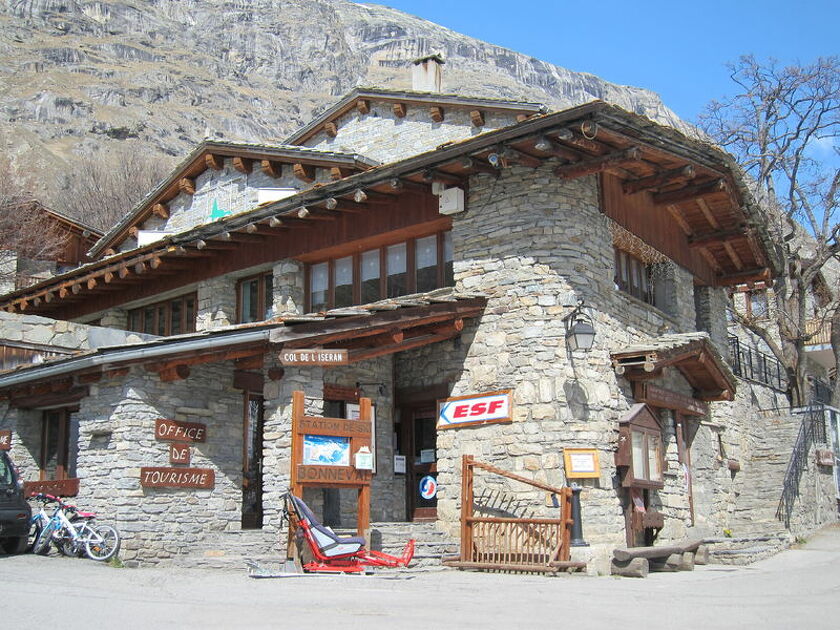
Remember real maps?
But, as the Daily Telegraph observed, it is au revoir to the tourist office… and bienvenue to TikTok. Much cheaper to run, as far as the destination is concerned, but will it make people feel welcome or increase their satisfaction? One can also wonder what kinds of sights the new TikTok visitor will be directed to. As previous research has shown, social media tends to produce an ‘information cascade’ which reinforces the popularity of places already crowded with tourists. A quick perusal of the TikTok feed for Paris, for example, leads to a plethora of items, often featuring the Eiffel Tower or Montmartre.
Apart from encouraging people to go where all the other tourists are, there are some TikTok items offering ‘non touristy things to do’. These apparently include things like sitting on the ground while sipping wine and eating ice cream. Just like in many other cities TikTok features food experiences (as opposed to gastronomy) heavily. In Paris there are ‘must try sandwiches’, frites and the BO&MIE bakery (of which there are 5 in Paris, and 1 in Barcelona – other outlets arriving soon). It seems likely that TikTok will quickly strengthen the information cascade in Paris, Barcelona and other cities, leading to the TikTok Queue phenomenon already visible in Amsterdam.
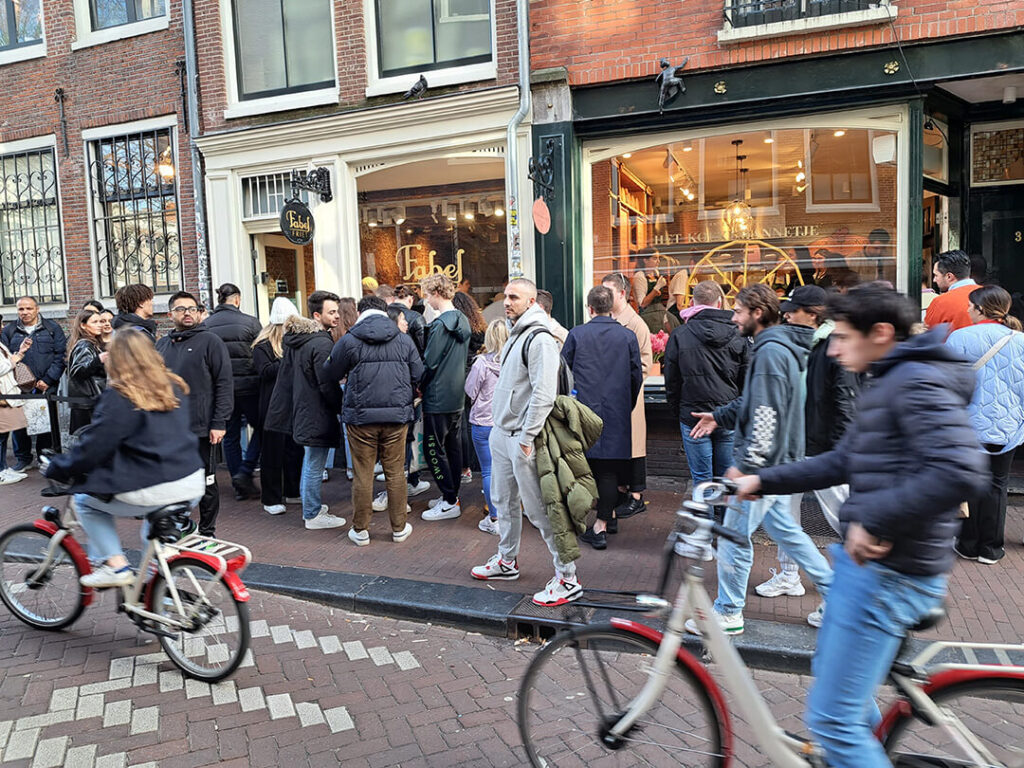
So the death of physical tourist information office is likely to signal a major shift in the way in which tourists consume cities. Job satisfaction may increase among the few remaining tourist office employees as they spend their time creating TikTok content rather than pointing yet another visitor in the direction of the Louvre. But the effect of getting rid of real people is likely to be the reverse of what most cities want – more tourists winding up at the same places, trying to get a photo of that must-see attraction without any other tourists in it.
If the same principle were applied in rural and remote areas— eliminating physical tourist offices to save money or due to a lack of human resources — the consequences could be even more severe and far-reaching. These regions, often characterized by fragile infrastructures, smaller populations, and limited access to technology, already face significant challenges in attracting visitors. Removing physical tourist offices would exacerbate their isolation, depriving travelers of a vital point of contact for navigating and appreciating these often less-documented locations. Without the ability to engage directly with knowledgeable local staff, visitors lose the opportunity to uncover hidden gems, learn about cultural traditions, and connect with the human stories that make these areas unique.
In rural contexts, personal interaction is often the cornerstone of the visitor experience, fostering a deeper appreciation for the land, its history, and its people. Tourist offices serve not only as practical hubs for information but also as cultural ambassadors, creating bridges between visitors and the local community. Their disappearance would risk reducing the experience to a transactional and impersonal one, mediated solely by algorithms on social media. Furthermore, rural areas could struggle to compete in an increasingly homogenized tourism landscape, where social media platforms favor highly visible urban landmarks and popularized itineraries.
The loss of these physical offices would not only diminish the visitor experience but could also have dire economic consequences. Local businesses, artisans, and producers, who often rely on referrals and visibility generated by tourist offices, might see fewer visitors and less income, ultimately jeopardizing the sustainability of rural economies. In the worst-case scenario, these areas could fade into obscurity, losing their cultural and economic vibrancy as they become disconnected from the broader tourism ecosystem.